
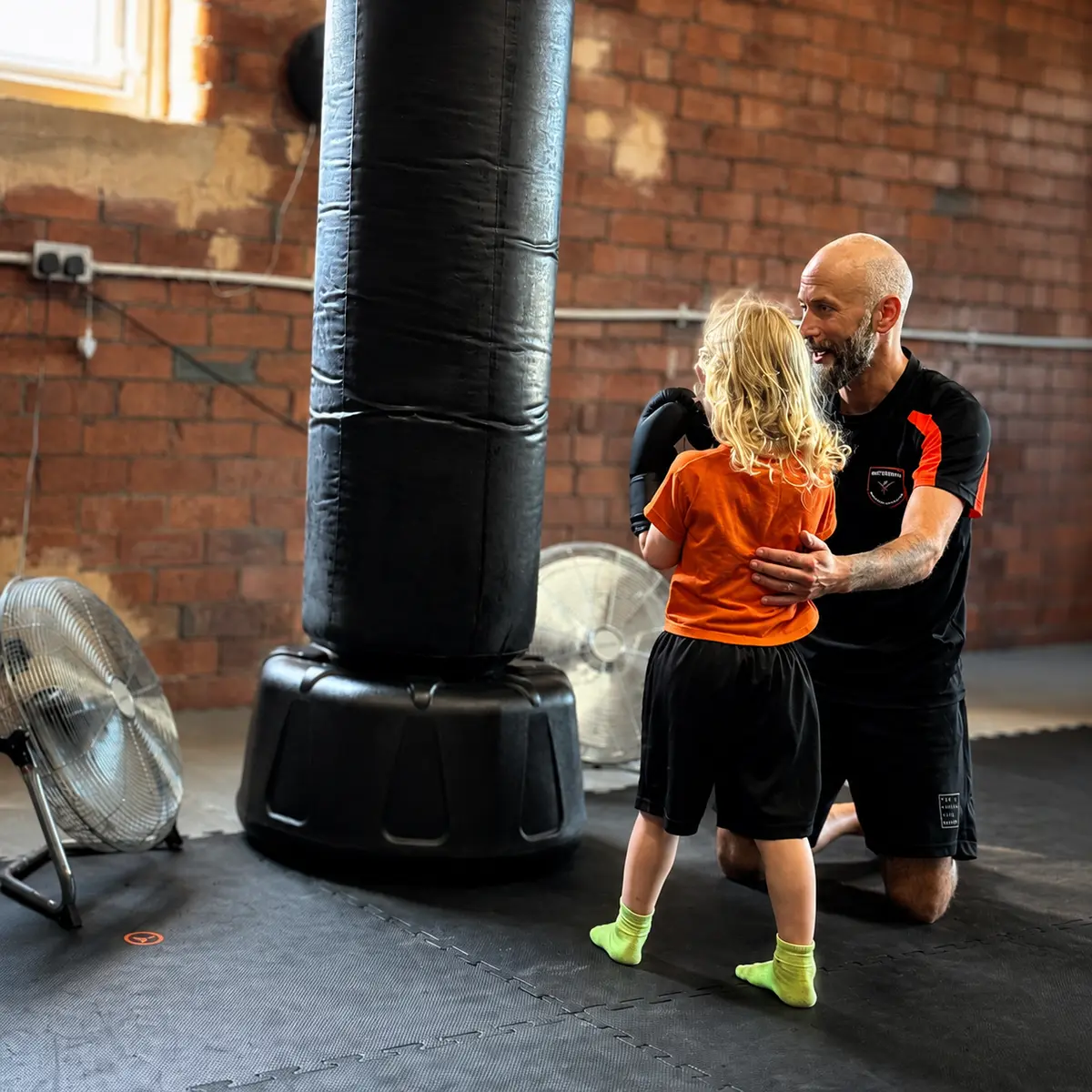
“I don’t want to go tonight” can mean several things. A child may be tired after school, disappointed by one difficult activity, worried about a partner or genuinely unhappy in the class. Treating every version as the same problem makes the decision harder than it needs to be.
The aim is not to teach a child that they must never stop anything. It is to help them understand what they are feeling, see whether the problem can be solved and make a considered decision rather than an immediate one.
Start with curiosity, not persuasion
Do not begin with a speech about commitment in the car park. Choose a calmer moment and ask questions that are easier to answer than “Why do you want to quit?”
- Which part of the class are you least looking forward to?
- Was there a particular day when it stopped feeling enjoyable?
- Is the problem the activity, another person, the instructor or the time of the class?
- What would need to change for you to want to try again?
Listen for specifics. “It’s boring” might mean the work feels too easy, too difficult or repetitive. “I’m no good at it” might mean they have compared themselves with somebody more experienced. “I don’t like sparring” is different from disliking martial arts altogether.
Do not make a long-term decision in the middle of a short-term emotion. Find out what the child is reacting to first.
Common reasons children want to stop
The newness has worn off
Early classes can feel exciting because everything is new. Later, progress requires repetition. That does not mean the child is in the wrong activity, but it may mean they need a clear, achievable goal: improving one technique, remembering a short sequence or attending until an agreed review date.
They feel stuck or behind
Ask the instructor what progress they can already see and what the child should work on next. A specific target is more useful than “try harder”. If nerves or self-consciousness are the main barrier, our guide to supporting a shy child in martial arts may help.
The weekly routine is too full
Sometimes the class is fine but the timing is not. The Kirklees Council calendar for community and controlled schools began the autumn term on 1 September 2026, and by the end of the month many local families have a clearer idea of how school, homework, rest and activities fit together. Individual school dates can vary. A different class time or a less crowded week may solve the real problem.
Something in the environment feels wrong
Take reports of bullying, humiliation, unsafe contact or inappropriate behaviour seriously. The NSPCC’s guide to choosing a good sports club says parents should be able to ask about safeguarding, codes of conduct, staff checks and who to contact with a concern. A child should not be told to “push through” an environment that is unsafe or demeaning.
Enjoyment matters, but it does not mean every minute is easy
Sport England identifies enjoyment as the biggest driver of children’s activity levels. That is a strong reason to pay attention when a child says an activity is no longer enjoyable.
Enjoyment can still include effort, correction and occasional frustration. Children do not need to love every drill. They should, however, have enough positive experiences to want to return: learning something, spending time with people they like, being noticed by the instructor and seeing that practice leads somewhere.
Speak to the instructor before deciding
A useful conversation can reveal something neither parent nor child has noticed. The instructor may be able to change a partner, explain the purpose of a drill, give the child a smaller target or help them rejoin after a difficult session.
Speak privately rather than raising the issue in front of the group. Be direct: explain what your child has said and ask what the instructor has observed. The NSPCC’s guidance on supporting children in sport emphasises that what parents say and do affects how children feel about taking part. A calm conversation gives everyone a better chance of understanding the problem.
Try a short reset with a clear review point
If there is no safety or welfare concern, agree a small experiment rather than demanding an indefinite commitment. That could mean attending the next two or three classes, trying a different session, asking for a new partner or focusing on one skill. Set the review date in advance so the child knows you will listen again.
After each class, avoid asking only “Was it good?” Try: “What felt easier today?”, “What was still difficult?” and “Did the change we agreed help?” This turns the decision into evidence rather than a repeated argument.
When is it reasonable to stop?
Stopping can be the right decision when the activity remains a poor fit after sensible changes, when the schedule is unsustainable, or when the coaching environment does not meet an acceptable standard. It is also reasonable to leave promptly when there is a genuine safety or safeguarding concern.
If the child simply wants to escape the discomfort of being a beginner, a short supported period may help them discover that awkwardness passes. But forcing them to continue indefinitely can turn one unsuitable activity into a wider dislike of exercise. The balanced answer is neither “quit whenever it feels hard” nor “you are never allowed to quit”.
How we handle difficult patches at TMAM
At The Martial Arts Method in Mirfield, we would rather know when a child is struggling than see a family disappear without a conversation. We can explain what we are working on, look at class placement or partnerships and agree a manageable next step.
We cannot promise that every child will always want to train, and we will not pressure a family to stay when the programme is not right for them. Our job is to provide clear teaching, appropriate challenge and an honest route forward.
Let your child experience the class first.
If you are still choosing an activity, two free classes let you see the teaching, atmosphere and level of challenge before making a commitment. Parents are welcome to watch and there is no pressure to join.
Book your first free class